


geoCDR News
Reporting on the geologic methods of
share           

General news about geologic CDR

General news

7 new CDR standards, regulations, and policies in Europe in 2026


February 22, 2026 | Tom Kaldenbach, geoCDR News
Signs on wooden posts with the words standards, regulations, policies, set against a background of blue sky with puffy clouds.
geoCDR News

A wave of new rules in 2026—including updates to the SBTi Corporate Net Zero Standard, an ISO removals accounting framework, CBAM implementation, the EU’s CRCF regulation, and a review of carbon removals in the EU ETS—signals a shift from voluntary claims toward a more regulated European carbon-removal market. Additional milestones such as CORSIA’s transition toward mandatory participation and Germany’s €156 million allocation for CDR further underscore Europe’s push to scale high-integrity removals while reducing greenwashing and carbon leakage. Full article >>

General news

Geologic CDR is on the back burner in China, compared to the biologic methods of CDR


November 26, 2025 | Tom Kaldenbach, geoCDR News
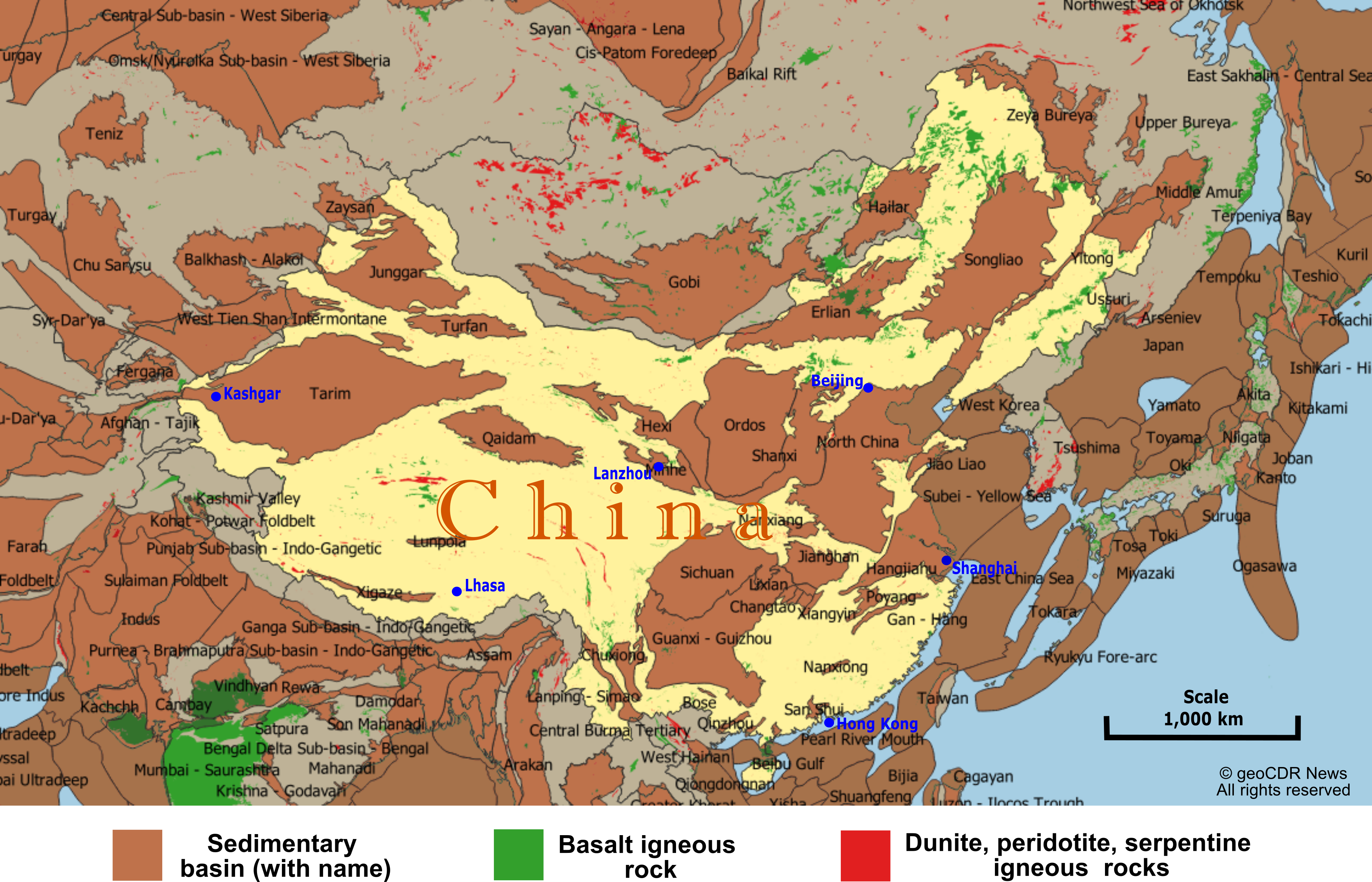
Sedimentary basins and areas underlain by igneous rock types that may be suitable for underground injection and storage of semi-liquid CO<sub>2</sub>.
Credit

China continues to emphasize low-cost, biologic carbon-removal approaches such as afforestation and soil-turning, leaving geologic methods like direct air capture, enhanced rock weathering, and ocean alkalinity enhancement largely confined to research papers and small pilot projects. Despite vast geological storage potential and emerging university-led efforts, high costs, regulatory gaps, and technical uncertainties keep geologic CDR on the sidelines for now. Full article >>

General news
New study:

Option-rich CDR pathway may be best due to uncertain future


May 12, 2025 | geoCDR News
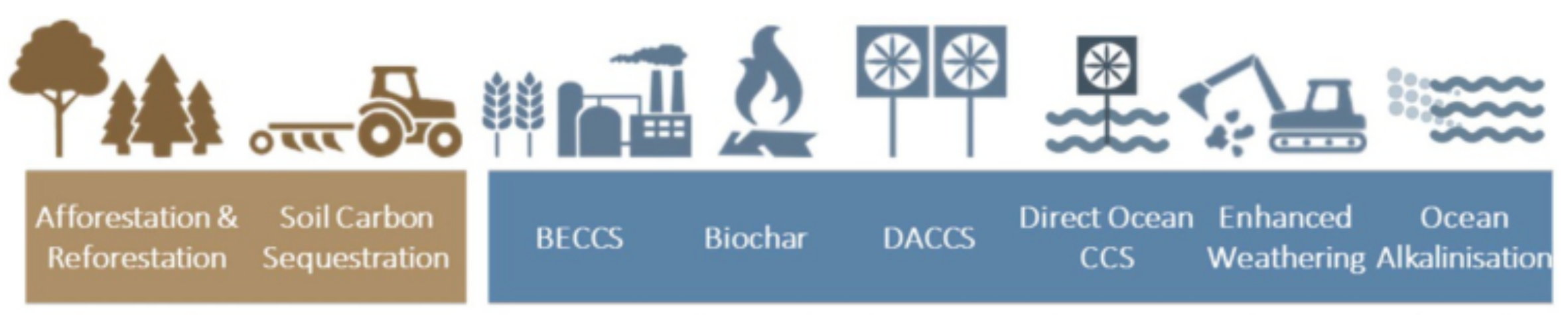
Schematic icons of of each biologic and geologic method of CDR.

A new study argues that planners should avoid betting on any single carbon-removal technology and instead build “option-rich” portfolios that can adapt as land availability, energy supply and technological performance evolve. Modeling thousands of plausible futures, the authors find that robust strategies rely on a mix of methods—from near-term forest and soil approaches to later-century DAC and ocean alkalinity—underscoring how climate uncertainty favors flexibility over precision. Full article >>